We create Space
Losberger De Boer delivers top class temporary and permanent space solutions for events, commercial, emergency response and defence use.
Contact LDB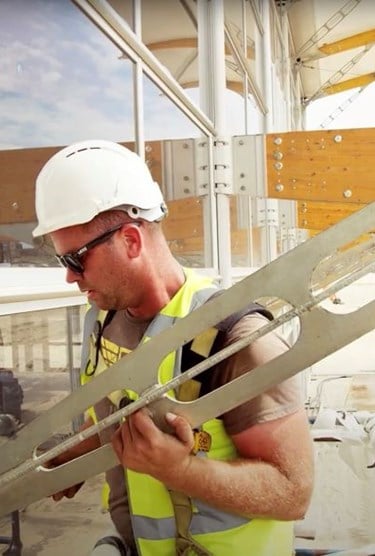
Losberger De Boer solutions
Temporary and semi-permanent space solutions

Event Space
Bespoke event venues, hospitality buildings and supporting structures.
Our Event rental solutions
Commercial Space
As a contractor, we help businesses meet their short term and long term space requirements.
Our Commercial solutions
Rapid Deployment Space
We are a global supplier of rapidly deployable shelters, emergency facilities and military space solutions.
Our Rapid Deployment solutionsLosberger De Boer solutions
A broad range of modular structures to meet your every need
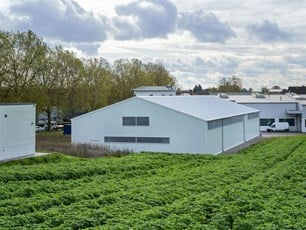
Warehousing & Storage
Quick to build and easily scalable warehouse solutions.
Worry-free warehousing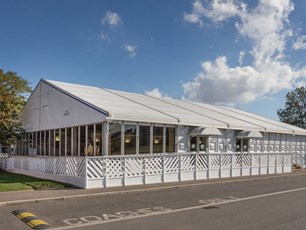
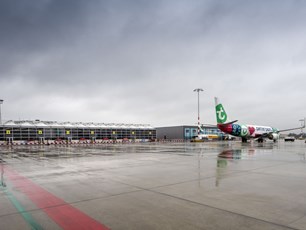
Terminals & Hangars
Safe, durable and rapidly deployable airport solutions.
All about airport terminals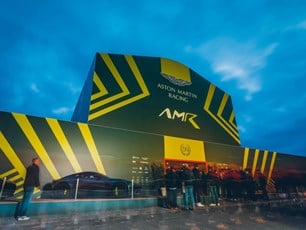
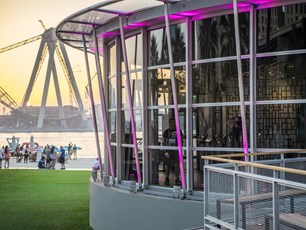
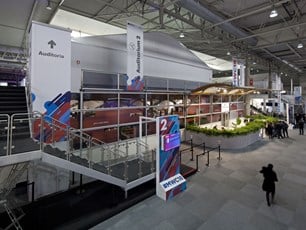
Exhibitions & congresses
High-end hospitality and exhibition space for commercial events.
Let’s exceed expectations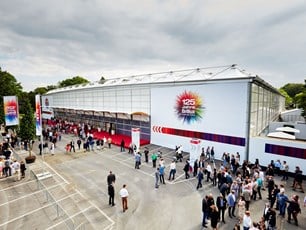
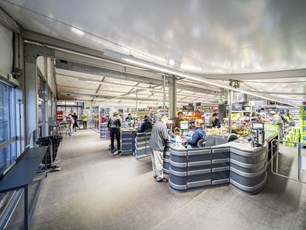
Retail space
From showroom to supermarket: we’ll keep you open for business.
See what we have in store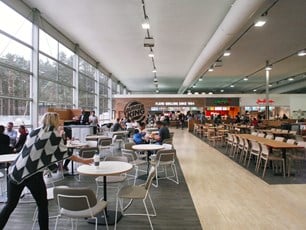
Business continuity
Keeping production going during renovation or challenging circumstances.
The show must go on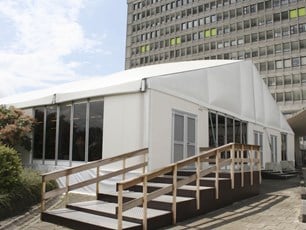
Restaurants & canteens
Complete temporary dining facilities during renovation or rebuilding.
Let’s see the menu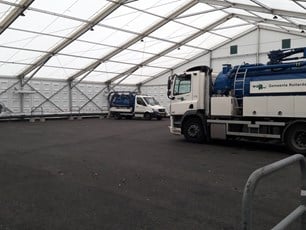
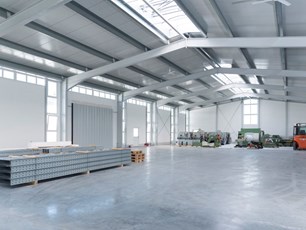
Production space
Fully equipped and tailor made production facilities, with short term, turnkey delivery.
Let’s get productive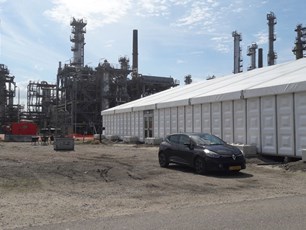
Housing during turnaround
Make sure your teams can work fast and safe during shutdown & turnaround.
Keep your ion the prize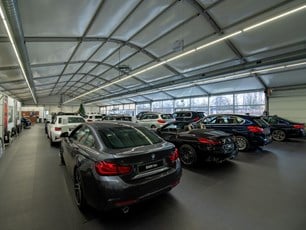
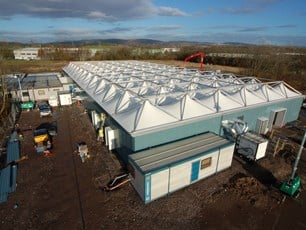
Emergency replacement
Resume operations in a matter of days and save revenue.
Let’s keep things going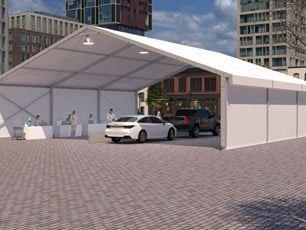
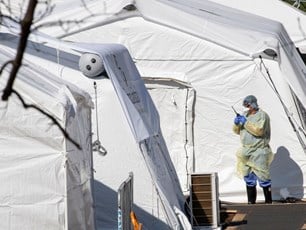
Mobile Field Hospital
Emergency hospital facilities that can be built within a few hours, regardless of your location.
Let us show you how we can help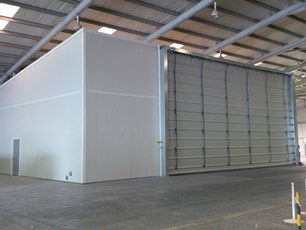
Climate controlled storage
Create a sheltered environment to reduce ageing and corrosion of sensitive equipment.
Protect your goods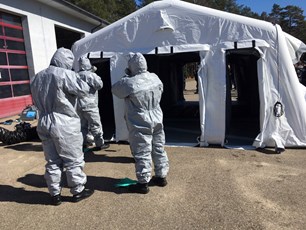
COLPRO & Decontamination tents
Protective shelters and quarantine tents to keep out chemical and biological agents.
Quarantine solutions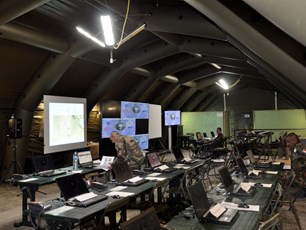
Command Posts and Tactical Operations Centres
Rapidly deployable shelters to facilitate decision-making and coordination.
Let’s take command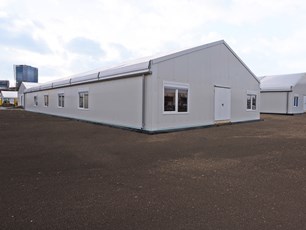
Emergency housing
Fast and sustainable relief for populations affected by forced displacement.
Create a safe haven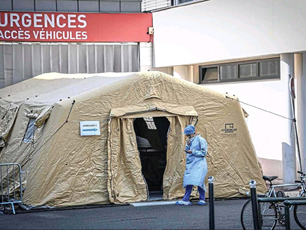
First responders solutions
Equipment to support first responders during rescue missions.
We’ll help you help others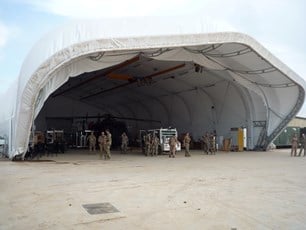
Maintenance workshops
Maximize uptime with our bespoke maintenance workshop solutions.
Keep everything operational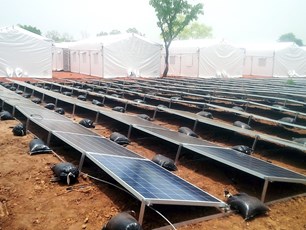
Smart Energy Management
A smart energy management system for base camps and emergency hospitals.
Optimize your use of resources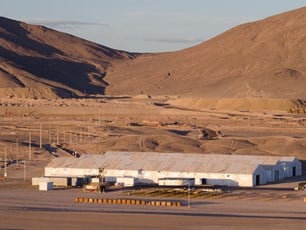
Mining Exploration Camps
Temporary or semi-permanent installations for mine sites and exploration camps.
Let’s explore the possibilities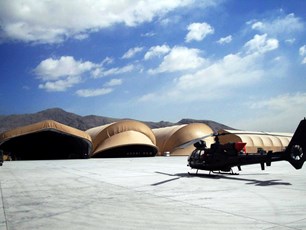
Military Aircraft Shelters
Protective shelters for military aircraft and equipment.
Protect sensitive equipment
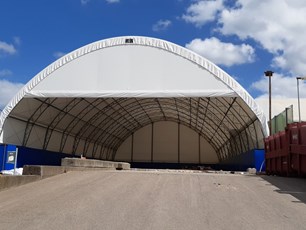
Recycling and Soil Decontamination
Cover waste and decontamination sites to keep the surrounding area safe.
Let’s keep it clean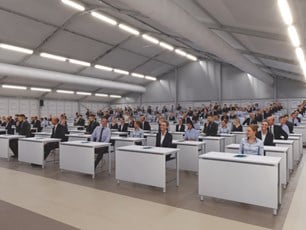
Auditoria & classrooms
Create extra space for a safe school environment.
Let’s put the room in classroom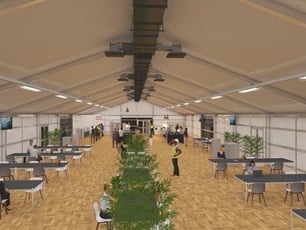
Canteens & restaurants
Additional dining hall or restaurant space in Covid-times.
Puddin’ lunch back on the menu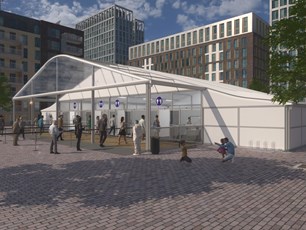
Polling and voting stations
Allow people to vote in a safe environment.
Let’s go for a great turnout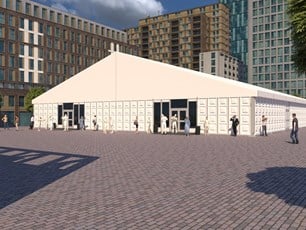
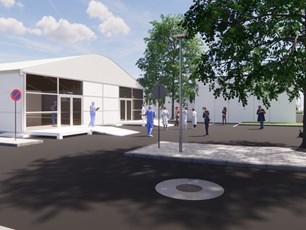
Quarantine tents and emergency hospitals
Our additional medical care facilities are at the ready.
Stay safe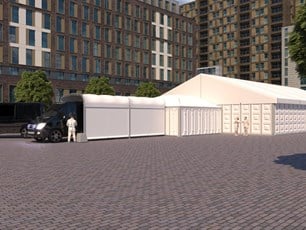
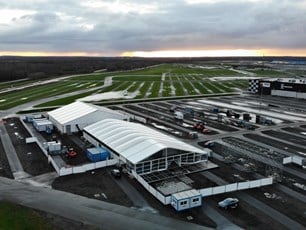
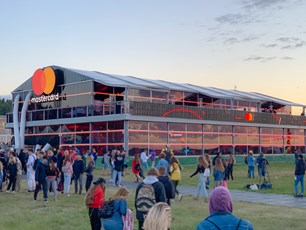
Festivals
With our complete range of products, we can set the stage for a great festival.
We’ll cater to your every need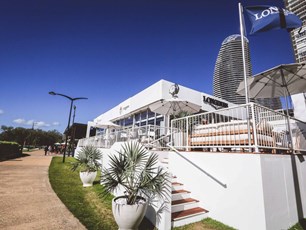
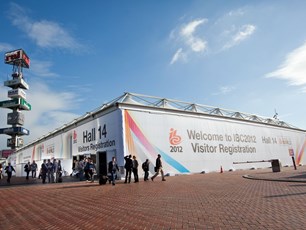
Trade Fairs
All the space and facilities you need for a successful trade fair.
We’ll set you up for success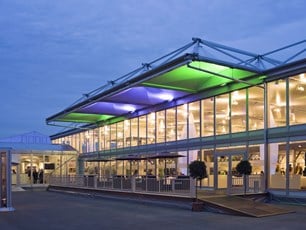
Temporary event locations
We can help you to create the perfect location for your event.
Let’s work together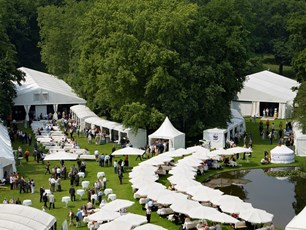
Tent systems
World class modular tent systems with a sky-high Return on Investment.
Take me to the hardware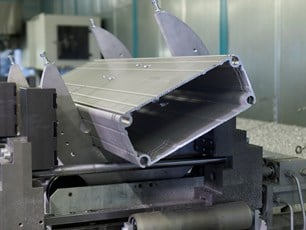
Advice
Expert advice on tent systems, parts, applications and the right additions for your stock.
Talk to me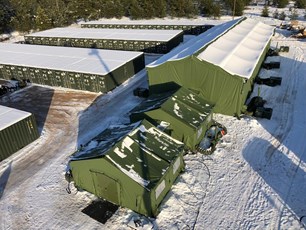
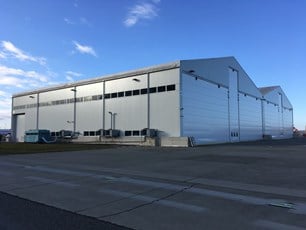
Industrial Aircraft hangars
Rapidly deployable yet durable hangars for military aircraft, helicopters and vehicles.
We’ve got you covered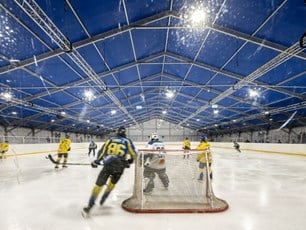
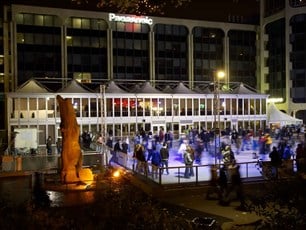
Sport Facilities
Commercial sporting facilities like ice rinks, gymnasiums and tennis courts.
Game on!Cases
We love to show you our work


Cases by Topic
Proud to work for these companies






‘Don’t tell me what you want – tell me what you want to achieve’
Mical Deboer
Mical Deboer, Managing Director
‘It’s the complex challenges that really get our hearts pumping’
After almost 20 years with the company, events specialist Mical Deboer is still inspired and triggered by the projects Losberger De Boer do, and the challenges its clients present him with – every single day.
Quality of advice and materials
“I am proud to say that we can handle the most complex challenges. In fact: it’s the more challenging ones that really get our hearts pumping. That’s where we shine. The quality of our materials, advice and tailor made solutions, as well as our spotless delivery and installation make us an ideal partner for those seeking an event with a wow factor.”
Trust Mical to do:
- Challenge and inspire you
- Add value to your event
- Give you a worry-free customer experience
About Losberger De Boer
Losberger De Boer is one of the world’s leading suppliers of temporary and permanent space solutions. Our structures and buildings are used for commercial purposes, public use, events, and military and humanitarian application.
Losberger De Boer was founded over 100 years ago, in 1919, in Heilbronn, Germany. The company is the result of the merger between Losberger and De Boer Structures. Losberger De Boer is headquartered in Fürfeld, Germany and has offices, production facilities and teams across the world. All Losberger De Boer buildings and tent structures are designed and produced inhouse. All our products are available for sale or rent/lease.
Losberger De Boer’s core value is embedded in the company slogan ‘Committed to your success’. We are dedicated to providing our clients with the best possible space solution and the best customer experience.


